
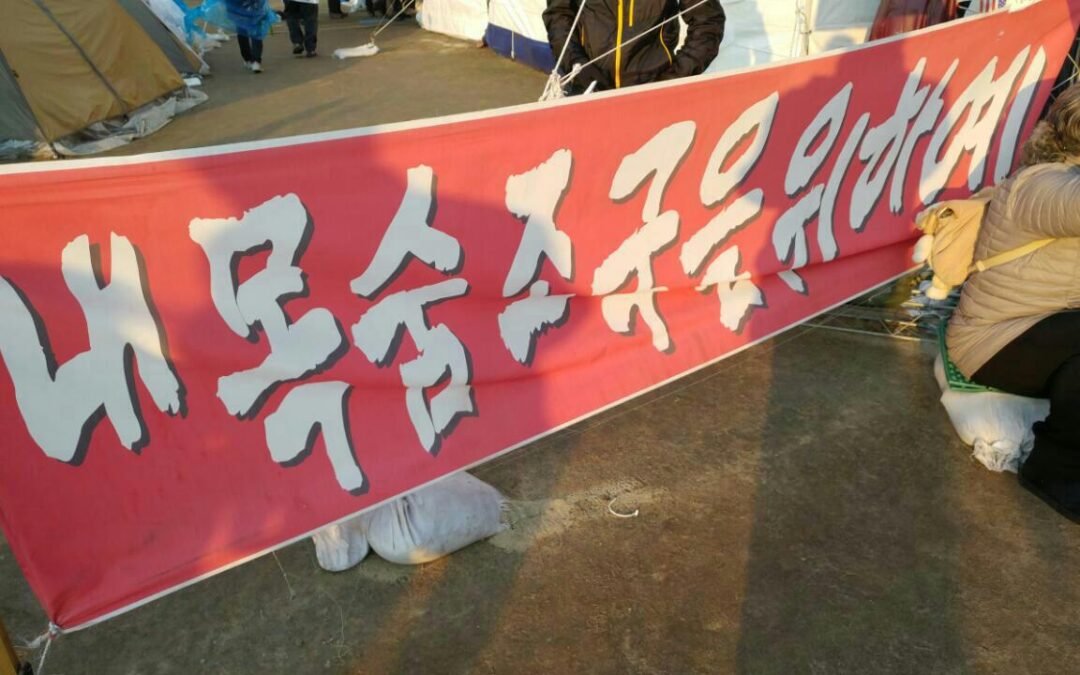
[소고(小考)]
범아일여의 철학적 사상과
국론 결집으로써 국난을 극복할 묘안
고대 인도의 ‘범아일여(梵我一如)’ 사상과 현재 대한민국이 직면한 정치적·사회적 갈등을 연결하여, 국론을 결집하고 국난을 극복할 수 있는 법리적·철학적 묘안을 제시해 봅니다.
- 철학적 사상
불교에서 ‘일여(一如)’는 모든 존재가 본질적으로 하나라는 깨달음을 뜻하는. 차별과 분열을 넘어 궁극적 진리의 동일성을 강조합니다.
유교에서 ‘범아(凡我)’는 모든 나, 즉 공동체 구성원을 의미합니다.
범梵은 ‘보편적 절대 진리’를 뜻하는 것이므로, 당면한 우리의 국난 극복 과제에 있어서 이를 ‘변치 않는 헌법적 가치’로 정의할 수가 있습니다.
이를 ‘일여’와 결합하면, 개인의 욕망을 넘어 공동체적 조화를 추구하는 윤리적 이상을 나타냅니다.
이를 현대적 의미로 재해석하면, 다양성을 존중하면서도 위기 상황에서 단결을 통해 하나의 목표를 향해 나아가는 공동체의 철학적 메시지로 해석할 수 있습니다.
- 범아일여(梵我一如)의 현대적 국가관 해석
범아일여는 우주의 근원(梵)과 개인(我)이 하나라는 원리입니다.
이를 국가 공동체에 대입하면 ‘헌법적 가치(국가적 보편성)’와 ‘국민 개개인(개별적 주권)’이 분리되지 않는 상태로 해석할 수 있습니다.
국가와 나가 일치하는 국민 한 사람 한 사람이 헌법 수호의 주체(Atman)가 될 때, 국가라는 거대한 질서(Brahman)가 비로소 바로 서는 것입니다.
현재의 국론 분열은 ‘너와 나’, ‘좌와 우’를 엄격히 나누는 분별심에서 나날이 심화되고 있습니다.
범아일여의 관점에서는 이 모든 갈등이 결국 ‘대한민국’이라는 하나의 생명체 안에서 일어나는 현상임을 인식의 시작에서 국난 극복이 시작되는 것입니다.
- 국론 결집을 통한 국난 극복의 통합 묘안
범아일여의 통합 철학과 헌법 수호의 법리를 결합할 때, 우리 사회의 갈등을 치유하고 국난을 극복할 실질적인 방향타를 얻을 수 있습니다.
① [가치의 일여] 인물 중심에서 ‘헌법 가치’ 중심의 대전환
특정 정치인에 대한 맹목적인 추종이나 반대는 국민을 개별적 아집(我執)에 가두고 공동체를 분절시킵니다.
진정한 국론 결집은 ‘누구를 지지하는가’라는 분별심을 버리고, ‘어떤 헌법적 가치를 지킬 것인가’라는 보편적 범梵의 영역으로 담론을 옮길 때 시작됩니다.
인물이 아닌 법치와 정의라는 공통 분모 아래 모여야만 정파를 초월한 국가적 에너지를 응집할 수 있습니다.
② [질서의 일여] 헌법 정당성 회복을 통한 비정규전 대응
현재의 혼란은 헌법 질서를 부정하게 만들어, 사회 붕괴를 획책하는 일종의 비정규전(심리전·정보전 등 비군사적 전쟁) 양상이 격렬하게 펼쳐지고 있습니다.
국민의 분별심을 이용해 헌법 체계를 무너뜨리며, 법을 이용한 정부 정책으로 포장한 갖은 공작들이 심리전의 양상을 띠고 있는 것입니다.
이에 대응하는 유일한 길로 범아일여의 무지를 타파해 나가는, ‘탄핵의 법리적 분별과 헌법적 절차의 정의 존중을 보수의 핵심 가치로 재정립하는 의식이 필요한 것입니다.
③ [신뢰의 일여] 한미 가치 동맹의 내면화와 공동체 체제 구축
한미동맹은 단순한 군사 계약을 넘어, 자유민주주의라는 ‘동일한 영혼’을 공유하는 가치적 일체화입니다.
국내의 정치적 불안정은 동맹의 신뢰를 갉아먹는 ‘내부의 병’임을 직시해야 합니다.
우리가 헌법적 정의를 스스로 확립하여, 민주적 합의와 위기 대응 시스템을 공고히 할 때, 미국과 국제사회는 한국을 가벼이 할 수 없는 강력한 전략적 파트너’로 신뢰하게 됩니다.
내부의 단결이 곧 최강의 외교적 자산이 되는 원리입니다.
- 헌법 수호가 곧 자아의 완성입니다.
국난 극복의 묘안은 멀리 있지 않습니다.
국민 각자가 “내가 곧 헌법이다”라는 주권자 의식을 가질 때, 대한민국의 국가적 실체는 흔들리지 않는 반석 위에 서게 됩니다.
국론 결집은 가치·질서·신뢰의 일여로 귀결됩니다.
공동체적 연대를 강화하여, 개인과 집단의 이해관계를 넘어, 모두가 헌법적 가치 수호라는 동일한 의지를 공유하는 것입니다.
민주적 합의를 통해 다양한 의견을 존중하면서도, 국가적 생존이라는 공통 목표 아래 방향을 하나로 모으는 것입니다.
국난 극복은 국민 각자가 “너와 내가 남이 아니요, 국민과 국가가 남이 아니다.”, “내가 곧 헌법이다”, “나의 헌법 내가 스스로 지킨다”, 라는 범아일여의 지혜로써 주권 의식을 갖출 때 비로소 가능한 것입니다.
우리의 현대사에서만도 3.1 독립만세운동, 우방국과 함께 자유를 지켜 낸 6.25 한국전쟁, 현재의 헌법을 갖게 된 87년 6월 민주항쟁 등 범아일여의 사상으로 하나된 경험들이 여러 차례 이어져 온 대한민국입니다.
이 범아일여의 지혜를 바탕으로 ‘윤어게인’과 같은 단편적 구호를 넘어, 대한민국 헌법 정신의 전면적 복원을 향해 나아가는 것이, 국난 극복의 유일하고도 근본적인 길임을 명심해야 합니다.
“범아일여”는 단순한 집단주의 구호가 아니라, 다양성을 존중하면서도 위기 앞에서는 공동체적 단결을 통해 국난을 극복하는 철학적 원리로 이해할 수 있습니다.
구국을 위한 헌법수호 활동이 이러한 철학적 깊이와 결합할 때, 진정으로 국민의 마음을 움직이는 애국 운동으로 승화되며, 구국의 승리를 반드시 이루게 될 것입니다.
“너와 내가 남이 아니요, 국민과 국가가 남이 아니다.”
[A Modest Essay]
Philosophical Thought of Brahman
-Atman Unity and the Plan to Overcome National Crisis through National Consensus
Connecting the ancient Indian thought of Brahman-Atman Unity (梵我一如) with the political and social conflicts that the Republic of Korea currently faces, I present a legal and philosophical plan to unite national opinion and overcome national crisis.
1. Philosophical Thought
In Buddhism, Il-yeo (一如) means the realization that all beings are essentially one. It emphasizes the sameness of ultimate truth beyond discrimination and division.
In Confucianism, Beom-a (凡我) means all “I,” that is, all members of the community.
Brahman (梵) means “universal absolute truth,” and in our current task of overcoming national crisis, this can be defined as “unchanging constitutional value.”
Combined with Il-yeo, it represents the ethical ideal of pursuing harmony of the community beyond individual desire.
Reinterpreted in modern meaning, it can be understood as a philosophical message of respecting diversity, but in times of crisis, moving forward toward one goal through unity.
- Modern National Interpretation
of Brahman-Atman Unity (梵我一如)
Brahman-Atman Unity is the principle that the origin of the universe (Brahman) and the individual (Atman) are one.
Applied to the national community, it can be interpreted as a state in which “constitutional value (national universality)” and “each citizen (individual sovereignty)” are not separated.
When each citizen becomes the subject (Atman) of constitutional protection, the great order called the state (Brahman) finally stands upright.
Today’s division of national opinion deepens daily from the discriminating mind that strictly separates “you and me,” “left and right.”
From the perspective of Brahman-Atman Unity, recognizing that all these conflicts occur within the one living body called “the Republic of Korea” is the beginning of overcoming national crisis.
- Integrated Plan for National Consensus
and Overcoming National Crisis
When the integrated philosophy of Brahman-Atman Unity is combined with the legal principle of constitutional protection, we can obtain a practical rudder to heal social conflict and overcome national crisis.
① [Unity of Value] Transition from Person-Centered to Constitution-Centered
Blind following or opposition to specific politicians confines the people in individual attachment (我執) and fragments the community.
True national consensus begins when we abandon the discriminating mind of “whom do you support” and move the discourse to the universal realm of Brahman: “What constitutional value shall we protect.”
Only when we gather under the common denominator of law and justice, not persons, can we concentrate national energy beyond factions.
② [Unity of Order] Responding to Irregular Warfare through Restoration of Constitutional Legitimacy
The current confusion makes people deny constitutional order and plots social collapse through a kind of irregular warfare (psychological warfare, information warfare, etc. non-military war).
It exploits the discriminating mind of the people to destroy the constitutional system, disguising various maneuvers as government policy using law, showing the aspect of psychological warfare.
The only way to respond is to break ignorance with Brahman-Atman Unity, and to reestablish as core conservative value the consciousness of “legal discernment of impeachment and respect for constitutional procedure and justice.”
③ [Unity of Trust] Internalization of Korea-U.S. Value Alliance and Building of Community Governance
The Korea-U.S. alliance is not merely a military contract, but a value unity sharing the “same soul” of liberal democracy.
Domestic political instability eats away at the trust of the alliance as an “internal disease.”
When we ourselves establish constitutional justice, strengthen democratic consensus and crisis response system, the United States and the international community will trust Korea as an unignorable strong strategic partner.
Internal unity is the strongest diplomatic asset.
- Conclusion: Constitutional Protection
is the Completion of the Self
The plan to overcome national crisis is not far away.
When each citizen has the sovereign consciousness of “I am the Constitution,” the national entity of the Republic of Korea stands on an unshakable rock.
National consensus is concluded in the unity of value, order, and trust.
Strengthening community solidarity, going beyond the interests of individuals and groups, all share the same will of protecting constitutional value.
Through democratic consensus, respecting diverse opinions while uniting under the common goal of national survival, we move in one direction.
The path to overcoming national crisis is ultimately that the people themselves restore and protect constitutional spirit.
National crisis is possible to overcome only when each citizen has the sovereign consciousness with the wisdom of Brahman-Atman Unity: “You and I are not strangers, the people and the nation are not strangers,” “I am the Constitution,” “My Constitution I protect myself.”
Even in our modern history, the March 1st Independence Movement, the Korean War defending freedom with allies, and the June 1987 Democratic Uprising to obtain the current Constitution, are all experiences of Korea united by the thought of Brahman-Atman Unity.
Based on this wisdom, going beyond fragmentary slogans like “Yoon Again,” moving toward the full restoration of the constitutional spirit of the Republic of Korea, is the only and fundamental path to overcome national crisis.
“Brahman-Atman Unity” is not a simple collectivist slogan, but a philosophical principle that respects diversity while overcoming national crisis through community unity in times of crisis.
When constitutional protection activities for saving the nation are combined with such philosophical depth, they will truly move the hearts of the people, sublimating into a patriotic movement, and surely achieve the victory of saving the nation.
“You and I are not strangers,
the people and the nation are not strangers.”